Aankhon mein baar-baar jalan, dryness ya kir-kirapan hota hai? Ya aankhon se paani aata rehta hai, phir bhi eyes dry feel hoti hain?
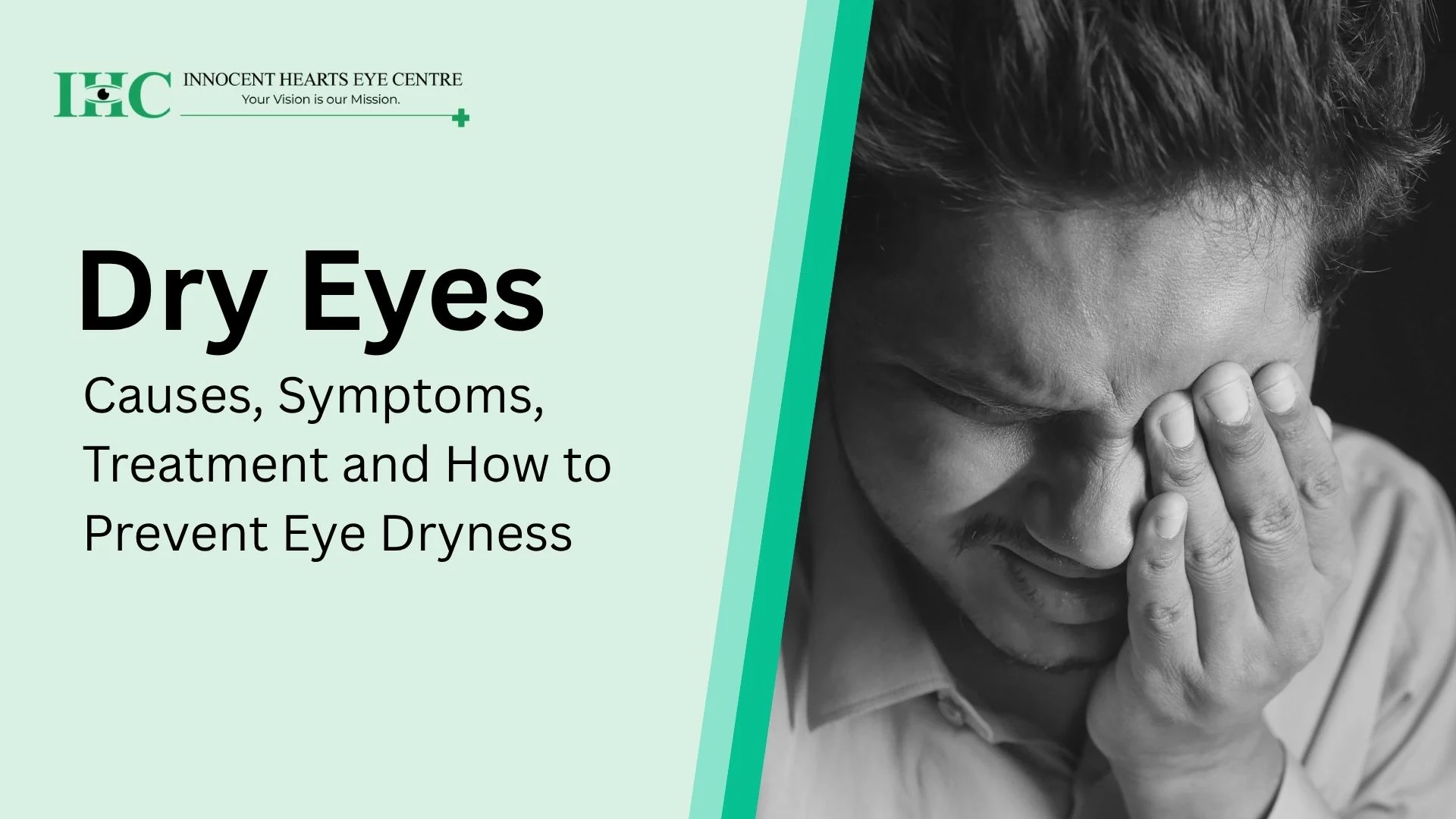
Dry eye sirf “aankhon mein paani kam hona” nahi hai. Dry eye is a common eye condition that occurs when your eyes do not produce enough tears or when tears evaporate too quickly. This can lead to burning, irritation, redness, watering and even blurred vision.
Occasional dryness may be temporary, but frequent or persistent symptoms can be a sign of dry eye disease. It can affect your comfort, concentration, screen use and contact lens tolerance, and severe cases can affect the health of the eye’s surface.
In this guide, we’ll look at the causes, dry eye symptoms, diagnosis, treatment options and ways to prevent dry eyes so you can understand what may be causing your symptoms and when it’s time to see an eye doctor.
What Are Dry Eyes?
Dry eye disease occurs when the tear film covering the surface of the eye does not provide enough lubrication and protection. Tears are important not only for keeping your eyes comfortable but also for maintaining a smooth optical surface that helps you see clearly.
The tear film contains three main components: an oily layer, a watery layer and a mucus layer. Problems with the production, quality or stability of any of these layers can contribute to dryness in the eyes.
There are generally three patterns of dry eye:
- Aqueous-deficient dry eye: The eyes do not produce enough watery tears.
- Evaporative dry eye: Tears evaporate too quickly, often because the oily layer of the tear film is inadequate.
- Mixed dry eye: Both insufficient tear production and excessive evaporation are present.
Dry eye can affect one or both eyes, although symptoms commonly occur in both eyes.
What Causes Dry Eyes?
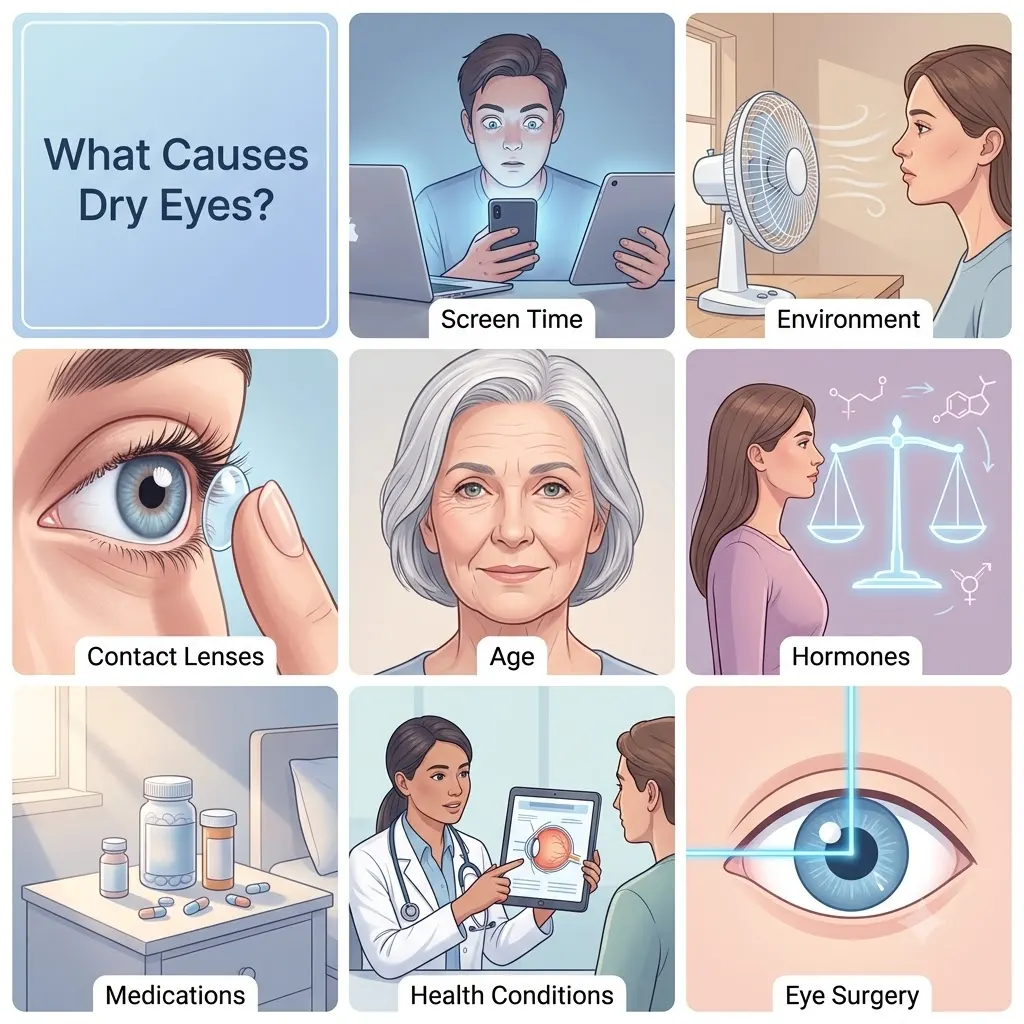
There is no single cause of dry eye. Several lifestyle, environmental, medical and age-related factors can interfere with normal tear production or cause tears to evaporate more quickly.
Common dry eyes causes include:
1. Excessive Screen Time
Spending long hours looking at computers, smartphones and other digital screens can contribute to eye dryness. When concentrating on a screen, people often blink less frequently. Reduced blinking can cause the tear film to become unstable and increase evaporation.
Taking regular screen breaks and consciously blinking more often can help reduce digital eye strain and dryness.
2. Air Conditioning, Fans and Dry Weather
Air-conditioned rooms, heating systems, fans and dry or windy environments can increase tear evaporation. Smoke and air pollution may also irritate the eyes.
If air from an air conditioner or fan blows directly toward your face, redirecting it can help reduce irritation.
3. Contact Lens Use
Contact lenses can contribute to dry eye symptoms in some people, particularly when they are worn for long periods. People who experience persistent dryness, discomfort or redness while wearing lenses should discuss their symptoms with an eye-care professional.
4. Age
The risk of dry eye tends to increase with age. Changes in tear production and the function of the glands that contribute to the tear film can make dryness more common as people get older.
5. Hormonal Changes
Hormonal changes can affect tear production and tear-film stability. Dry eyes may become more noticeable during certain stages of life, including menopause.
6. Medications
Certain medicines may increase the risk of dry eye. These can include some medications used for allergies, depression, blood pressure and other health conditions.
If you suspect that a medication is contributing to your symptoms, do not stop taking it on your own. Speak with your doctor or eye specialist about possible alternatives.
7. Medical Conditions
Dry eye can sometimes occur alongside other conditions, including autoimmune diseases, thyroid-related eye problems, blepharitis and allergic eye disease.
8. Previous Eye Surgery
Some people may experience dry eye symptoms after procedures such as LASIK or cataract surgery. The symptoms may improve over time, but persistent discomfort should be evaluated by an eye specialist.
What Are the Symptoms of Dry Eyes?
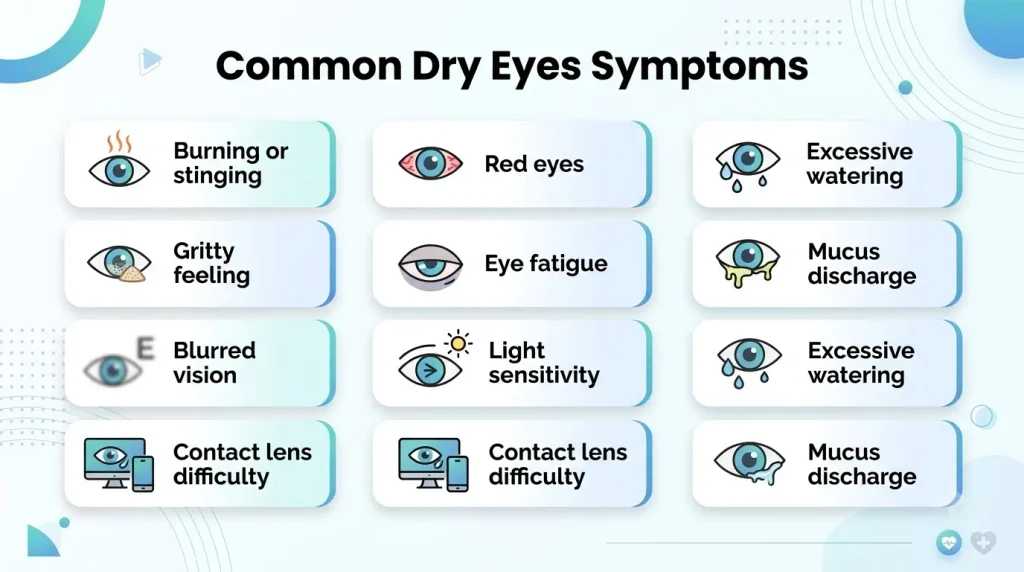
The dry eye symptoms can vary from person to person. Some people experience obvious dryness, while others may primarily notice irritation, watering or fluctuating vision.
Common dry eyes symptoms include:
- Burning or stinging sensation
- Gritty or sandy feeling in the eyes
- Feeling as though something is stuck in the eye
- Red or irritated eyes
- Excessive watering
- Blurred or fluctuating vision
- Eye fatigue
- Increased sensitivity to light
- Difficulty wearing contact lenses
- Mucus or stringy discharge around the eyes
- Discomfort while reading or using digital screens
- Difficulty with activities such as nighttime driving
Interestingly, watery eyes can also be a symptom of dry eye. When the eye becomes irritated, it may produce excess watery tears as a reflex response. However, these tears may not contain the right balance of components needed to maintain a stable tear film.
Why Do My Eyes Feel Dry but Keep Watering?
This can seem confusing, but it is actually possible to have both dry eyes and excessive watering.
When the normal tear film becomes unstable, the surface of the eye may become irritated. In response, the lacrimal glands can produce additional watery tears. These reflex tears may temporarily wash over the eye but may not correct the underlying tear-film problem.
Therefore, watery eyes do not always mean your eyes are well lubricated. Persistent watering accompanied by burning, irritation or a gritty sensation may be associated with dry eye.
How Is Dry Eye Disease Diagnosed?
If you regularly experience eye dryness or irritation, an eye examination can help identify the underlying cause.
An ophthalmologist may ask about your symptoms, medical history, medications, contact lens use, screen habits and environmental factors. A detailed eye examination can then assess the health of your eyes and tear film.
Depending on your symptoms, your eye specialist may perform tests such as:
- Slit-lamp examination: Allows the doctor to examine the eyelids, cornea and surface of the eye.
- Schirmer’s test: Measures tear production using a small strip of paper.
- Tear breakup time test: Evaluates how long the tear film remains stable before it begins to break up.
- Other tests may be performed when an underlying medical condition is suspected.
There is not necessarily one test that diagnoses every case of dry eye. Your eye specialist may use a combination of examinations and tests depending on your symptoms.
What Is the Treatment for Dry Eyes?
The appropriate dry eye treatment depends on the cause and severity of your symptoms. Mild symptoms may improve with lifestyle changes and lubricating eye drops, while persistent or severe dry eye may require additional treatment.
Artificial Tears
Lubricating eye drops, commonly known as artificial tears, can provide temporary relief from dryness and irritation. Different formulations are available, so your eye specialist can recommend the option most appropriate for your symptoms.
If you need eye drops very frequently or your symptoms continue despite using them, an eye examination is advisable.
Warm Compresses
A warm compress may help support healthy eyelid and meibomian gland function, particularly when problems with the oily layer of the tear film contribute to evaporative dry eye.
Your eye specialist may recommend a specific warm-compress routine depending on your condition.
Reduce Screen-Related Eye Strain
When using a computer or smartphone for extended periods:
- Take regular breaks from the screen.
- Blink consciously and frequently.
- Keep the screen at a comfortable distance.
- Avoid sitting directly under or in front of an air vent.
- Adjust screen brightness and room lighting to a comfortable level.
These simple changes can help reduce symptoms associated with prolonged screen use.
Improve Your Environment
Avoid direct exposure to wind, smoke and air blowing toward your face. Sunglasses or wraparound glasses may help protect the eyes outdoors.
A humidifier may also be useful in particularly dry indoor environments.
Other Medical Treatments
When basic measures are not enough, an ophthalmologist may consider other treatment options based on the underlying cause. These can include prescription medicines, treatments for eyelid or gland problems, procedures that help conserve tears, or other specialized therapies.
For severe cases, treatments such as punctal occlusion or scleral lenses may be considered in appropriate patients.
The important point is that dry eye treatment should address the underlying cause whenever possible, rather than simply providing temporary relief from symptoms.
How Can You Prevent Dryness in the Eyes?
You may not be able to prevent every case of dry eye, but several habits can reduce the risk or severity of symptoms.
Follow Healthy Screen Habits
If your work involves prolonged computer or smartphone use, take regular breaks and remember to blink. Giving your eyes short periods of rest can help reduce discomfort.
Protect Your Eyes From Wind and Smoke
Limit exposure to cigarette smoke, strong air currents and dusty or windy environments. Sunglasses can provide additional protection when outdoors.
Stay Hydrated
Maintaining adequate fluid intake supports overall health and may help prevent dehydration-related discomfort.
Take Care With Contact Lenses
Follow your eye-care professional’s instructions for wearing, cleaning and replacing contact lenses. Do not continue wearing lenses if they cause significant discomfort without discussing the problem with an eye specialist.
Manage Underlying Conditions
If you have allergies, eyelid inflammation or another medical condition associated with dry eye, treating the underlying problem may help improve your eye symptoms.
When Should You See an Eye Doctor for Dry Eyes?
Occasional dryness after a long day in front of a screen may not be a cause for concern. However, persistent or recurring symptoms deserve professional evaluation.
See an eye specialist if you experience:
- Persistent eye dryness or irritation
- Frequent redness or burning
- Repeated episodes of blurred or fluctuating vision
- Painful or increasingly irritated eyes
- Difficulty wearing contact lenses
- Symptoms that interfere with work, reading or daily activities
- Symptoms that continue despite using lubricating eye drops
Persistent dry eye can affect the surface of the eye and, in more severe cases, may be associated with complications such as corneal irritation, ulcers, scarring, eye infection or vision problems.
Can Dry Eyes Be Cured Permanently?
Dry eye is often a chronic condition, meaning it may require ongoing management rather than a one-time treatment. However, this does not mean that you have to live with constant discomfort.
The goal of treatment is to identify the factors contributing to dryness, improve the tear film, protect the surface of the eye and control symptoms. Some people may achieve significant improvement with simple lifestyle changes, while others require long-term treatment.
An eye specialist can help determine what is causing your symptoms and recommend an appropriate treatment plan.
Also Read: Why is a Regular Eye Check-up Important?
Final Thoughts
Dry, irritated eyes can make even simple tasks uncomfortable. While small changes like taking screen breaks and blinking often can help, persistent dry eye symptoms shouldn’t be ignored.
If dryness, burning or blurred vision keeps coming back, it may be a sign of an underlying dry eye problem. Getting the right diagnosis can make treatment more effective and help prevent symptoms from getting worse.
Book an eye examination to find the cause and get the right dry eye treatment for lasting relief.
Medical Disclaimer: This article is intended for general educational purposes and should not replace an examination or advice from a qualified eye-care professional. If you have persistent, painful or worsening eye symptoms, consult an ophthalmologist.
For personalised evaluation and treatment options, you can consult the specialists at Innocent Hearts Eye Centre, who can guide you based on your specific condition.
📞 Call us at +91-98759 69672
🌐 Visit https://innocentheartseyecentre.com
📍 Book an appointment
Google Map
See the world sharp, clear, and glasses-free, without second-guessing your decision.
Also Read
- Dark Circles Under The Eyes
- Can Swine Flu (H1N1) Cause Eye Flu?
- Conjunctivitis (Pink Eye): Meaning, Symptoms, Diagnosis, Treatment
- Eye Twitching : Causes, Symptoms, Meaning, Treatment & When to Worry
- 10 Natural Ways to Improve Your Vision – Bye Bye Glasses!
- Understanding Smile Pro Eye Surgery
- Comparing Smile Pro Eye Surgery to Other LASIK Procedures
- Understanding Presbyopia: Causes, Symptoms, Diagnosis, and Advanced Treatments
- PRESBYOND Laser Blended Vision At Innocent Hearts Eye Centre
- Punjab’s First ZEISS Refractive Suite Now at Innocent Hearts Eye Hospital, Jalandhar
Frequently Asked Questions About Dry Eyes
Yes. Spending long periods looking at computers, smartphones or other digital screens can contribute to dry eye symptoms. When you concentrate on a screen, you may blink less often or incompletely, which can cause tears to evaporate more quickly. Taking regular screen breaks, blinking consciously and keeping the screen at a comfortable distance may help reduce dryness and eye strain.
Common dry eye symptoms include burning or stinging, redness, irritation, a gritty or sandy feeling, excessive watering, blurred or fluctuating vision, eye fatigue and increased sensitivity to light. Some people may also experience difficulty wearing contact lenses or discomfort while reading or using digital screens.
Dry eyes can sometimes cause excessive watering. When the surface of the eye becomes irritated because the tear film is unstable, the eyes may produce extra watery tears as a reflex response. These tears may not provide the same lubrication and protection as a healthy tear film. So, having watery eyes does not necessarily mean your eyes are adequately lubricated.
An ophthalmologist can diagnose dry eye by evaluating your symptoms, medical history and the condition of your eyes and tear film. Depending on your symptoms, the examination may include a slit-lamp examination, tear production testing such as the Schirmer test, and a tear breakup time test to assess tear-film stability. Additional tests may be recommended when an underlying condition is suspected.
There is no single treatment that is best for everyone because dry eye can have different causes. Treatment may include lubricating eye drops, warm compresses, improving screen habits, avoiding direct exposure to fans or air conditioning, managing eyelid or gland problems, prescription medicines or other treatments recommended by an ophthalmologist. The most effective approach is to identify and treat the underlying cause.